Bec
Smith
🇦🇺 Australia
With us
4 months
Work remotely in the Tasmanian Central Highlands as host of Thousand Lakes Lodge. Hiking, bushwalking, kayaking, horses …. Nothing better than being outside living in the moment 😊🫶✨
Winning photos
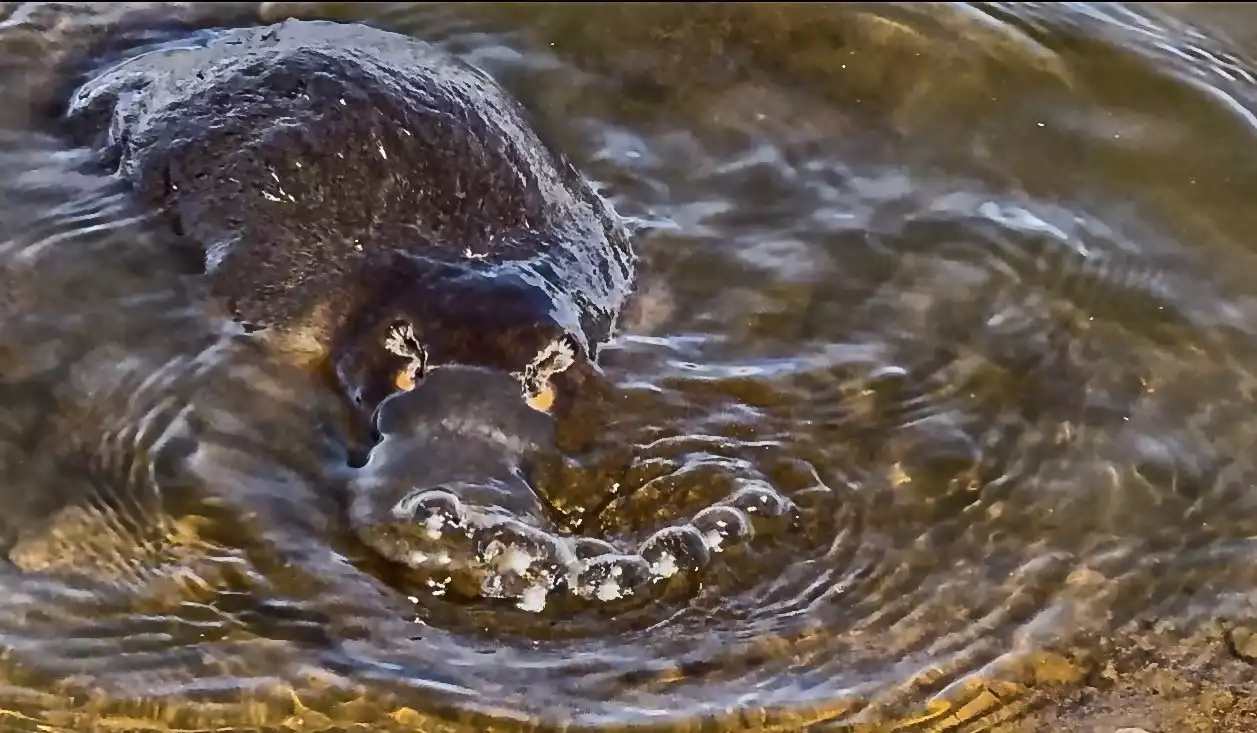
E​​​chidnas feast on ants and termintes and protect themselves with spines, which can reach 5cm long. Solitary for most of the year, until mating time when several males may follow a single female. Taking shelter in rotten logs, stumps, burrows, or under bushes, echidnas go into to a type of hibernation over winter. Surprisingly, echidnas are good swimmers, paddling about with only their snout and a few spines showing above the water. They have even been known to swim amongst the waves in the ocean!
98th CollectionPrepare to be amazed at Gordon Dam! Located in Tasmania’s rugged southwest, this engineering marvel has been standing strong since its construction in 1974. At 140 meters high, it’s one of the tallest dams in the Southern Hemisphere, offering breathtaking views of the Gordon River Gorge and beyond.
98th CollectionTasmanian Central Highlands
October 2025
Dark Mofo Figure
Hobart, Tasmania 2025
Boyes Basin - Lake Gordon
Tasmanian World Heritage Wilderness Area
Tasmanian Endemic Pencil Pine
​A close relative of the King Billy pine, the pencil pine is largely restricted to sub-alpine areas above 800 metres. Like the King Billy pine, the pencil pine is a Gondwanan species and is often located around tarns, streams and lakes because of its intolerance to fire. Pencil pines can reach ages in excess of 1200 years, but have little chance of recovery after a ​fire due to their very poor ability to survive fire, regrow from seedlings or suckers post fire, or disperse seeds more than a few meters from the parent tree. The trees are conical in shape with a markedly tapering trunk.
Pencil pines are known to clonally reproduce through suckering, with some whole stands likely to be genetically identical. This means that such stands are genetic clones which are likely to be thousands of years old.
Deceased Miena Cider Gum
High in the alpine region of the Tasmanian Central Highlands, the Miena cider gum (Eucalyptus gunnii subsp. divaricata) grows in cold, open hollows where frost lingers and few other trees survive. Endemic to Tasmania, it’s the most frost-tolerant eucalypt in the world, and the only place it lives is within a 20-kilometre radius of Miena, a small village on the shores of Great Lake in the Central Highlands. Its cascading, twisted branches, glaucous leaves and colourful trunk are a hallmark of the high-country landscape.
Growling Swallett
Mt Field National Park
Tasmania
Dark Mofo
Hobart 2025
Asylum
New Norfolk, Tasmania
Matriarch
Lower Liffey, Tasmania
Cloud reflections
Lake Augusta, Tasmania
Sunset across Lake Augusta, Tasmania
95th Collection